Many people use the terms “high IQ” and “genius” interchangeably. While they are related, they are not exactly the same thing. A high IQ score reflects strong cognitive ability on standardized intelligence tests, while the word “genius” often describes individuals who produce extraordinary ideas, discoveries, or creative achievements.
Understanding the difference helps clarify how intelligence works and why some people with high IQ scores may not necessarily be considered geniuses.
What Is a High IQ?
A high IQ generally refers to a score significantly above the population average on standardized intelligence tests.
Most IQ tests are designed so that:
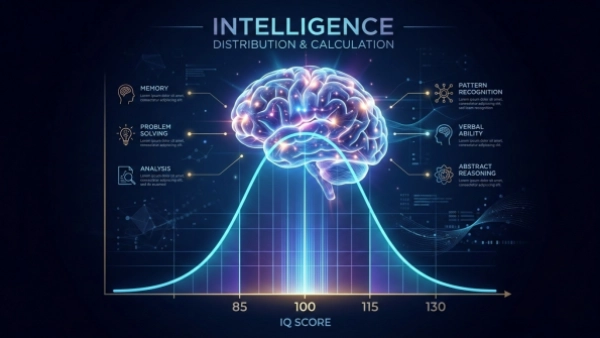
- The average IQ is 100
- The standard deviation is 15 points
- Most people fall between 85 and 115
Psychologists often interpret scores using statistical distance from the average.
z = (x - μ) / σ
This statistical formula measures how far a score is from the mean of the population.
Typical IQ classifications include:
| IQ Score | Classification |
| 85 – 115 | Average |
| 116 – 129 | Above average |
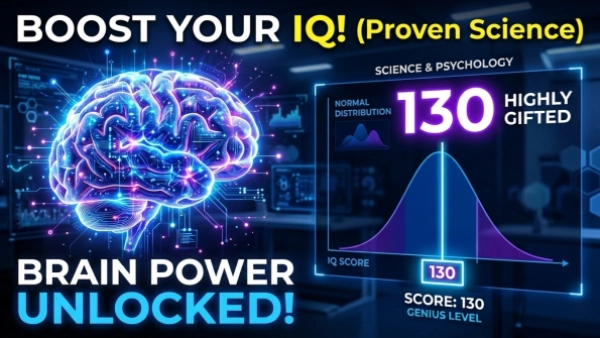
| 130 – 144 | Gifted |
| 145+ | Highly gifted |
| 160+ | Extremely rare |
Organizations like Mensa International accept members who score within the top 2% of the population, typically around 132 or higher depending on the test used.
What Does “Genius” Actually Mean?
The term genius is less precise than IQ classifications. Historically, it refers to individuals who demonstrate exceptional creativity, innovation, or intellectual achievement.
A genius is often someone who produces ideas or discoveries that significantly influence the world.
Examples frequently associated with genius-level thinking include:
- Albert Einstein – Developed the Theory of Relativity
- Isaac Newton – Formulated the Law of Universal Gravitation
- Leonardo da Vinci – Revolutionary contributions to art, science, and engineering
These individuals are remembered not just for intelligence but for transformative contributions to human knowledge.
Key Differences Between High IQ and Genius
Although the two concepts overlap, there are important distinctions.
1. Measurement vs Achievement
- High IQ: A numerical score based on standardized tests
- Genius: A label based on exceptional achievements or originality
Someone may have a high IQ but never produce groundbreaking work.
2. Potential vs Impact
High IQ indicates potential intellectual ability, while genius often implies real-world impact.
For example, a person might score extremely high on an IQ test but choose a career that does not involve groundbreaking research or innovation.
3. Creativity and Innovation
Many psychologists believe that creativity plays a major role in genius.
A genius often combines:
- Intelligence
- Creativity
- Curiosity
- Persistence
- Imagination
These qualities allow them to produce ideas that reshape entire fields.
4. Rarity
High IQ scores are rare, but genius-level achievements are even rarer.
For example:
- Top 2% qualify for organizations like Mensa International
- But only a tiny fraction of those individuals make world-changing discoveries.
Can Someone Be a Genius Without a High IQ?
Yes, at least according to some experts.
While most historical geniuses likely had high IQs, creativity, motivation, and opportunity often matter just as much.
For example, innovators in art, music, or entrepreneurship may not always have extremely high measured IQ scores but still demonstrate genius-level creativity or vision.
Why the Confusion Exists
The confusion between high IQ and genius partly comes from how popular culture portrays intelligence.
Movies, books, and media often assume:
- High IQ = genius
- Genius = perfect academic ability
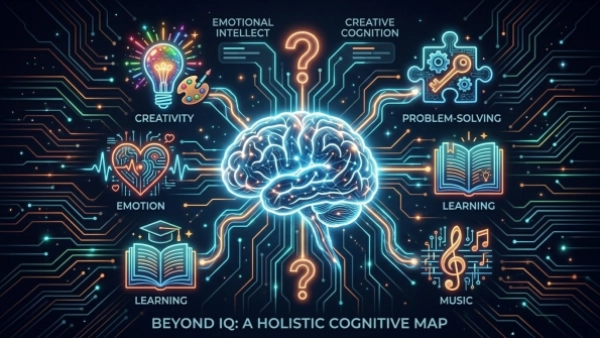
In reality, intelligence is much more complex and includes many dimensions beyond analytical reasoning.
Final Thoughts
A high IQ refers to exceptional performance on intelligence tests, usually 130 or higher. A genius, however, is someone whose ideas, discoveries, or creations significantly influence the world.
While many geniuses likely have high IQ scores, the two concepts are not identical. Genius often requires a combination of intelligence, creativity, persistence and vision.
Ultimately, numbers alone cannot fully capture the extraordinary ways human intelligence can shape knowledge, innovation and culture.